Premium Link-Building Services
Explore premium link-building options to boost your online visibility.
Explore premium link-building options to boost your online visibility.
The Saker Falcon (Falco cherrug) is one of the most magnificent and globally threatened raptors, revered historically in Central Asian culture and now struggling to survive across its vast, fragmented range. As a species facing severe pressures from habitat loss, illegal trapping for the falconry trade, and electrocution on power lines, its conservation status is precarious. In key strongholds like Hungary, the Saker Falcon has become a flagship species for intensive, high-tech conservation efforts spearheaded by organizations such as the Hungarian Association for Ornithology and Nature Conservation (MME), the BirdLife Partner in the region.
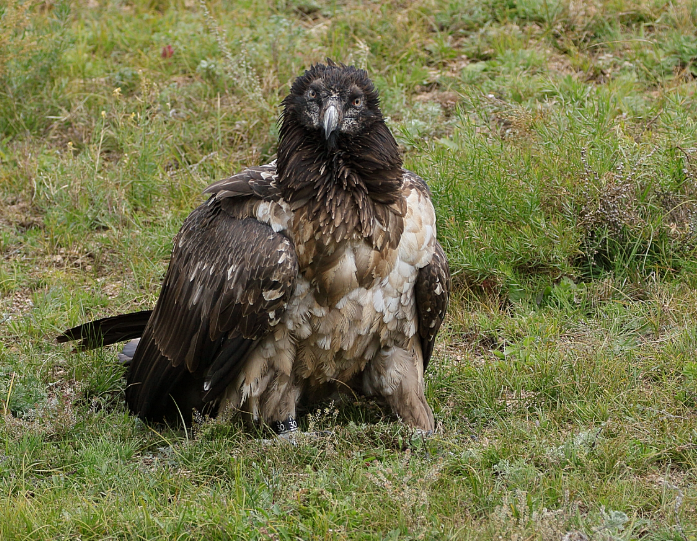
The long-term success of the Saker Falcon conservation project—which involves nest protection, artificial nest placement, and GPS tracking—demands sustained financial investment and public awareness. It is in this high-stakes environment that a clear, ethical model of ecotourism emerges, not as a peripheral activity, but as a crucial, accountable partner.
This article, aimed at Environmental News, BirdLife Partners, and Conservation NGOs, explores the innovative and non-intrusive role of ethical ecotourism in the Saker Falcon Project. Critically, it highlights the rigorous Ethical Framework that clearly distinguishes responsible Ecotours operations—which actively fund and support monitoring—from destructive, profit-driven "cowboy" operators whose actions pose a direct threat to the species’ survival.
Once common, Saker Falcon populations plummeted throughout the 20th century. While significant strides have been made in stabilizing the species in Central Europe, the threats remain acute:
Illegal Trafficking: Sakers are highly valued in the Middle Eastern falconry market, leading to poaching and the illegal removal of chicks from nests.
Electrocution: Raptors often perch on medium-voltage power lines, mistaking them for natural vantage points, which frequently leads to fatal electrocution.
Habitat Degradation: The intensification of agriculture and the loss of suitable nesting trees (often large poplars or oaks) limit breeding success.
In Hungary, the MME/BirdLife Hungary project focuses on an integrated approach: providing secure nesting sites (artificial nests), mitigating electrocution risks (insulating power lines), and, crucially, monitoring population health, breeding success, and migration routes. It is this monitoring component that necessitates the high level of funding and logistical support that ethical ecotourism is uniquely positioned to provide.
The monitoring of Saker Falcons involves advanced, non-intrusive technologies, primarily GPS/GSM telemetry. Tracking birds provides invaluable data on survival rates, dispersal patterns, hunting territories, and identifying critical electrocution hotspots. However, the cost of a single GPS tag, its deployment, and the ongoing data subscription can be thousands of euros—a major financial hurdle for NGOs.
Ethical ecotourism operators close this funding gap, transforming the act of observing a Saker Falcon into a direct investment in its conservation:
Responsible Ecotours commit a significant, verifiable portion of their tour fees to the Saker Falcon Monitoring Fund. This revenue stream directly covers the costs associated with:
Purchasing and deploying GPS tags.
Satellite data subscription fees.
Field monitoring and nest protection guards during the vulnerable breeding season.
The financial transaction is transparent: a tourist booking a Saker Falcon tour understands their fee is helping to keep a tracker active, providing real-time data crucial for conservation management.
Prioritizing the bird's well-being
Ethical guides, who are often trained ornithologists or local conservation volunteers, become integral, non-intrusive eyes and ears for the project.
Recording Sightings: They log observations (number of birds, hunting behaviour, interaction with artificial nests) in a standardized manner, adhering strictly to distance protocols, which contribute to the project's long-term database without disturbing the birds.
Identifying Threats: They are trained to spot and report immediate threats, such as potential electrocution hazards, suspected illegal activity, or signs of human disturbance near key nesting or roosting sites.
This partnership elevates the ecotour experience from mere sightseeing to citizen science at the highest level.
The observation of an endangered raptor must be governed by an iron-clad ethical framework rooted in Non-Interference and the long-term biological health of the species. The slightest disturbance can cause nesting failure, lead to chick abandonment, or force the bird to waste vital energy reserves.
This framework is the absolute measure separating ethical Ecotours from destructive 'cowboy' operators.
Ethical operators, certified and audited by conservation partners like MME, adhere to the following standards, ensuring zero impact on the falcons:
Protocol StandardImplementationConservation RationaleDistance and OpticsObservation is conducted from a minimum of 500 meters from known nesting sites and a minimum of 200-300 meters from active perching/hunting areas. Viewing is strictly via high-magnification telescopes and optics.Prevents the falcons (which have exceptional eyesight) from perceiving the human presence as a threat, ensuring continuous, low-stress breeding and foraging.No Habitat DisclosureExact nesting and core roosting locations are never revealed to tourists or published online. All observation is focused on general hunting territories or controlled viewing points.Protects the nests from illegal poachers, irresponsible photographers, and unchecked visitor traffic, mitigating the primary risk of egg/chick removal.Movement and TimingMovement is slow, minimal, and always restricted to existing roads or designated tracks. Visits are scheduled around the falcons’ daily routine (e.g., avoiding dawn/dusk hunting periods for minimal interference).Reduces the risk of disruption during critical energy-intensive activities and prevents the creation of new trails that fragment the habitat.Mandatory TrainingGuides are required to undergo specific Saker Falcon conservation and ethics training, focusing on recognizing signs of stress (e.g., alarm calls, head-bobbing) and immediate withdrawal procedures.Ensures the guide acts as a trained intermediary, prioritizing the bird's well-being over the tourist's viewing time.Avoidance of LuresStrict prohibition on the use of any kind of bait, electronic calling, or visual lure to attract the falcon closer. Sighting success depends purely on patience and the falcon's natural activity.Maintains the falcon’s natural hunting integrity and prevents habituation to humans, which is fatal in areas with high poaching risk.
'Cowboy' operators directly contravene these protocols, often leading to immediate and catastrophic results for the highly sensitive Saker Falcon population:
Nest Intrusion: The most dangerous practice is taking clients close to known nesting sites (often in artificial boxes), sometimes in an attempt to photograph chicks or fledglings. This high-stress intrusion risks nest abandonment by the adults or forcing chicks to fledge prematurely, dramatically lowering survival rates.
Baiting and Calling: Using lures (e.g., small rodents) or illegal electronic calls to bring the falcon into photographic range. This habituates the birds to human presence and distracts them from natural hunting, making them easier targets for illegal trapping.
Social Media Exposure: They often prioritize the immediate rush of social media likes, disclosing the general location of a sighting, leading to the rapid proliferation of visitors and uncontrolled disturbance at sensitive sites.
Zero Financial Accountability: They contribute nothing to the telemetry fund, the nest protection program, or local anti-poaching efforts, effectively free-riding on the MME’s conservation investment while simultaneously undermining its ethical standards.
Uncontrolled Access: Driving off-road, creating new tracks, and parking haphazardly, damaging the steppe habitat and signaling their intrusion to the falcons and potential poachers.
For conservation NGOs, exposing these practices is not just an ethical luxury; it is a fundamental need to ensure the biological viability of the entire project.
The Saker Falcon Project, supported by ethical Ecotours, serves as a global benchmark for how responsible tourism can fund and facilitate the monitoring of highly endangered, sensitive species. The success is measured not by the number of tourists, but by the measurable increase in survival rates and the quantity of scientific data collected.
BirdLife Partners worldwide are urged to adopt and advocate for mandatory certification programs that incorporate these stringent ethical protocols for raptor viewing. This should include:
Mandatory Logbooks: Operators must maintain and submit non-disclosure logbooks detailing every viewing session, including distance maintained and any observed signs of disturbance.
Financial Audits: Verification that committed funds are indeed transferred to the official conservation projects (e.g., the MME Saker Fund).
Legal Collaboration: Working with law enforcement to swiftly prosecute 'cowboy' operators who violate the established protection zones around active nests.
The Saker Falcon is an international symbol of wild grace and power. Its continued survival in Central Europe is a hard-won conservation victory. Responsible ecotourism offers a path to sustain this victory, turning global fascination into essential funding and non-intrusive monitoring support.
The choice for the environmental community and the informed traveler is clear: support operators whose ethical framework is meticulously aligned with the scientific needs of the Saker Falcon—whose every viewing dollar is a vote for conservation and telemetry data. Or, inadvertently fund the reckless practices of 'cowboy' operations that risk undoing decades of critical conservation work for the sake of a fleeting, damaging photograph.
The Saker Falcon Project proves that where rigorous ethical standards meet passionate observation, the result is not only an unforgettable human experience but, more importantly, a secured future for one of the world's most endangered raptors. We must choose stewardship over spectacle to ensure the skies of the Puszta remain home to the majestic Saker Falcon.
Explore premium link-building options to boost your online visibility.